Packing lunch for a toddler can feel harder than cooking a family dinner. You need food that is easy to eat, simple to pack, and appealing to small appetites. If you’re looking for Toddler Dinner Ideas with Mashed Potatoes: 17 Easy Meals these meal combinations make dinner more fun while giving parents plenty of easy choices for busy days.
Why Use a Bento Box for Toddler Lunch?
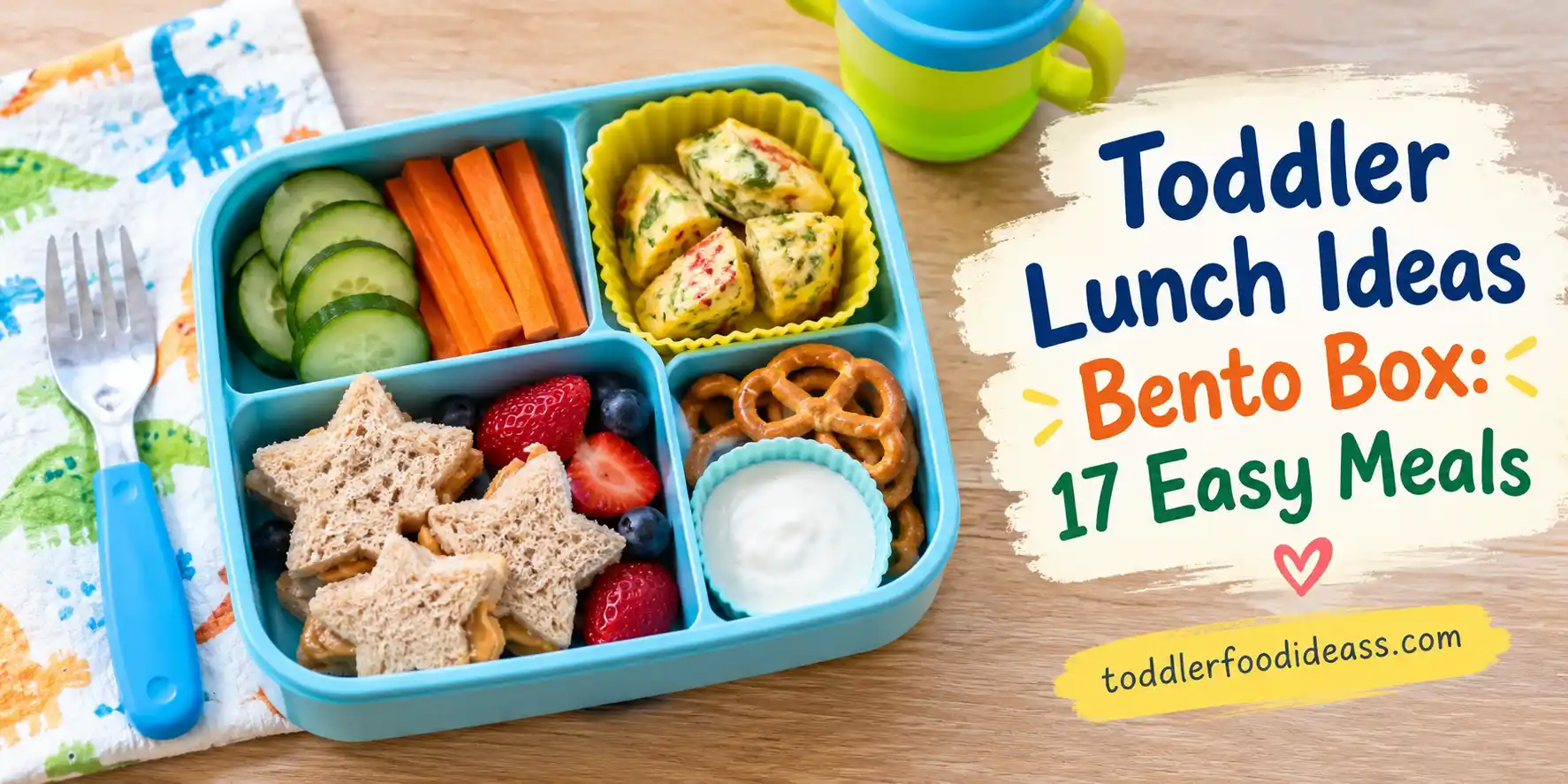
A bento box separates food into small sections. This makes it easy to offer several foods without putting everything on one plate.
Toddlers often enjoy having choices. Instead of serving one large meal, you can give them small portions of a few familiar foods.
A bento box can also make lunch feel like a little food adventure. Think of each section as a different stop on a colorful food journey.
Try to include a mix of foods rather than worrying about making every box perfect.
A simple lunch can contain:
- A grain or starchy food
- A protein food
- A fruit
- A vegetable
- A dairy food or another suitable side
The exact combination can change each day.
17 Toddler Lunch Ideas Bento Box Meals
These ideas are flexible. You can swap ingredients based on what your toddler likes, what you already have at home, and what is safe for your child’s eating skills.
1. Mini Turkey and Cheese Box
Add small pieces of cooked turkey, cheese, soft bread, and fruit.
You can cut the bread into small squares or use a cookie cutter to create fun shapes.
Add soft pear pieces or banana on the side.
For younger toddlers, make sure meat and cheese are prepared in a size and texture your child can manage safely.
2. Peanut Butter Banana Toast Box
Spread a thin layer of smooth peanut butter on soft toast and add banana pieces.
You can cut the toast into strips that are easy for your toddler to pick up.
Add plain yogurt or another familiar food if your child enjoys dairy.
If your child has a known food allergy, use an appropriate alternative instead of peanut butter.
3. Chicken and Sweet Potato Box
This is a filling option for toddlers who enjoy savory food.
Pack soft cooked chicken with cooked sweet potato pieces and a few soft vegetables.
You can season the chicken lightly with herbs instead of making it spicy.
The sweet potato adds a naturally sweet flavor that many toddlers enjoy.
4. Mini Pasta Bento Box
Cook small pasta shapes until they are soft enough for your child’s eating ability.
Add shredded chicken, cooked peas, and a little olive oil or a mild sauce.
You can serve the pasta warm at home or pack it according to safe food-storage practices when lunch will be eaten later.
This is also a useful way to use leftover pasta from dinner.
5. Egg and Avocado Box
Add fully cooked egg pieces with soft avocado and small pieces of toast.
The creamy avocado works well with egg and makes the meal easy to eat when prepared appropriately.
You can also add soft fruit for a naturally sweet side.
Always make sure eggs are cooked properly before packing them for a young child.
6. Yogurt and Fruit Bento
For a simple lunch, use plain yogurt with soft fruit and another easy food.
Try banana, soft pear, peach, or other age-appropriate fruit.
Add a small piece of soft bread or toast on the side.
Choose plain yogurt without added sugar when possible.
7. Cheese Quesadilla Box
Make a small cheese quesadilla using a soft tortilla and melted cheese.
Cut it into small strips or pieces suitable for your child’s eating skills.
Add avocado, soft cooked vegetables, or fruit in the other compartments.
This idea works especially well when your toddler enjoys familiar foods.
8. Hummus and Soft Veggie Box
Use hummus as a dip with soft vegetables and another filling food.
Cook vegetables such as carrots until they are soft enough for your child’s stage of development.
You can also add soft pita pieces or toast strips.
Avoid giving hard raw vegetables to a toddler who cannot safely manage them.
9. Chicken and Rice Bento
Combine soft cooked rice with finely shredded chicken.
Add cooked peas, carrots, or another soft vegetable.
You can make a small portion in the morning and use leftovers from a properly stored family dinner.
Keep the flavors mild if your toddler prefers simple food.
10. Pancake and Fruit Box
Small homemade pancakes can make lunch feel special.
Cut them into manageable pieces and pair them with banana, soft berries prepared safely, or another suitable fruit.
You can add plain yogurt for dipping.
This is a good choice when your toddler likes breakfast foods at any time of day.
11. Mini Sandwich Bento
Make a small sandwich with soft bread and a filling your child already enjoys.
Possible fillings include mashed avocado, cream cheese, egg, chicken, or a suitable nut-free spread.
Cut the sandwich into small pieces.
Add fruit and a cooked vegetable to complete the box.
12. Meatball and Pasta Box
Soft homemade meatballs can be paired with small pasta shapes.
Cut or break foods into shapes and sizes that match your child’s developmental eating skills.
Add a mild tomato sauce and a soft vegetable.
This lunch can also turn dinner leftovers into an easy next-day meal.
13. Bean and Cheese Box
Soft beans can provide a simple plant-based lunch option.
Combine mashed or suitably prepared beans with cheese and soft tortilla pieces.
Add avocado or another soft food.
If whole beans are difficult for your child to manage, mash them rather than serving them whole.
14. Apple Cinnamon Oatmeal Box
For a different lunch idea, serve thick oatmeal with cooked apple pieces.
Use cinnamon for flavor if your child enjoys it.
Add yogurt or another suitable protein-rich food to make the meal more varied.
Cook apples until soft enough for your child’s eating ability.
15. Salmon and Potato Bento
Flaked, fully cooked salmon can be paired with soft potatoes and cooked vegetables.
Carefully remove all bones before serving.
Choose fish appropriate for young children and follow current guidance on fish choices.
A little lemon or mild seasoning can add flavor without making the meal complicated.
16. Breakfast-for-Lunch Bento
There is no rule that lunch has to look like a traditional lunch.
Try scrambled egg, soft toast, avocado, and fruit.
You could also add small pancakes or plain yogurt.
This option is especially useful when your toddler refuses sandwiches or typical lunch foods.
17. Snack-Style Toddler Bento
Sometimes a toddler simply prefers small foods.
Create a snack-style box with several suitable options, such as soft fruit, cheese, cooked vegetables, toast strips, and a protein food.
Keep portions small.
The goal is to give your child different foods to explore without making lunch stressful.
How to Build a Balanced Toddler Bento Box
You do not need complicated recipes to create a useful lunch.
Start with one food from each basic group that works for your child.
Choose One Filling Food
Try:
- Soft pasta
- Rice
- Bread
- Potato
- Sweet potato
- Oatmeal
- Tortilla
These foods can make lunch more satisfying.
Add a Protein Food
Options can include:
- Egg
- Chicken
- Fish
- Beans
- Lentils
- Tofu
- Yogurt
- Cheese
Choose textures and portions that your toddler can safely handle.
Add Fruit or Vegetables
Color can make a bento box more appealing.
Try soft fruits such as banana, ripe pear, or properly prepared berries.
For vegetables, consider cooked peas, soft carrots, sweet potato, broccoli, or other vegetables your child enjoys.
Finish With a Familiar Food
If your toddler is picky, include at least one food they already like.
This can make a new food feel less intimidating.
For example, if your toddler loves banana but refuses vegetables, put banana in one section and offer a small amount of a vegetable in another.
Toddler Bento Box Ideas for Picky Eaters
Picky eating is common during the toddler years. A child may reject a food today and accept it another time.
Instead of forcing a new food, offer it alongside familiar choices.
For example, place one small piece of cooked broccoli beside pasta and chicken.
Your toddler does not have to eat the broccoli immediately.
Repeated, low-pressure exposure can help children become more comfortable with foods over time.
You can also change the presentation.
A sandwich cut into small squares may get a better response than the same sandwich served whole.
Keep expectations realistic. Some days your toddler may eat a lot, while other days they may eat very little.
How to Make Bento Lunches More Appealing
Small changes can make a regular lunch look more exciting.
Use Different Shapes
Cut soft foods into simple shapes when practical.
A small sandwich can become stars, squares, or strips.
Do not focus on complicated designs. Simple shapes are enough.
Add Color
Try combining foods with different natural colors.
For example:
- Orange sweet potato
- Green avocado
- Yellow egg
- Red or purple fruit
A colorful box can make the meal more interesting without adding sugar or artificial decorations.
Keep Portions Small
A bento box should not be packed to the top.
Toddlers have small stomachs, and large portions can feel overwhelming.
Start with small servings. You can always add more food if your child wants it.
Toddler Lunch Safety Tips
Food safety matters as much as nutrition.
Young children can choke on foods that are hard, round, sticky, or difficult to chew. The CDC recommends preparing foods in shapes, sizes, and textures that match a child’s developmental eating skills.
Foods such as whole grapes, whole nuts, hard raw vegetables, large chunks of meat, and spoonfuls of nut butter can create choking risks when served improperly.
Always supervise your toddler while eating and encourage them to sit while they eat.
Prepare Food for Your Child’s Stage
A food that is safe for an older child may not be safe for a younger toddler.
Soft foods may need to be mashed, finely chopped, shredded, or cut into appropriate small pieces.
For example, do not simply place whole grapes into a lunchbox. Prepare them according to current choking-prevention guidance and your child’s eating skills.
Keep Perishable Food Cold
If a lunch contains foods that need refrigeration, use appropriate cold-storage methods.
Young children are more vulnerable to foodborne illness, so safe food handling is especially important. The CDC recommends practices such as cleaning, separating, cooking, and chilling foods properly.
Foods to Limit or Avoid for Young Children
Some foods need special attention when preparing toddler lunches.
For example, honey should not be given to children younger than 12 months. Young children should also avoid foods with added sugars and foods that are high in sodium.
Unpasteurized milk and dairy products can also pose food-safety risks for young children.
For children under 24 months, sugary drinks and caffeinated drinks should be avoided. Water and suitable unsweetened drinks are generally better choices.
Easy Bento Box Meal Prep Tips
You do not need to prepare every lunch from scratch.
Cook a few basic foods ahead of time and use them in different combinations.
For example, prepare:
- Cooked chicken
- Soft vegetables
- Rice or pasta
- Boiled eggs
- Washed and prepared fruit
Then mix and match these foods throughout the week.
One day, chicken can go with rice and vegetables.
The next day, the same chicken can go into a soft sandwich.
This saves time and reduces food waste.
Another useful trick is to prepare small portions of foods your toddler already accepts. You can then add one new food beside them.
A Simple 5-Day Bento Plan
Here is an easy example of how to rotate lunches.
Monday: Chicken, sweet potato, avocado, and soft fruit.
Tuesday: Mini cheese quesadilla, beans, cooked vegetables, and banana.
Wednesday: Pasta, shredded chicken, peas, and plain yogurt.
Thursday: Egg, toast, avocado, and soft pear.
Friday: Homemade meatballs, pasta, cooked vegetables, and fruit.
You can change any ingredient based on allergies, preferences, availability, and your child’s developmental needs.
How to Handle a Toddler Who Eats Only One Food
If your toddler focuses on one food, avoid turning every meal into a battle.
Keep offering a familiar food while placing a small amount of another food nearby.
For example, if pasta is a favorite, serve pasta with a tiny amount of chicken or cooked vegetable.
Let your child decide what and how much to eat from the foods you provide.
CDC guidance also notes that children may need to try some foods many times before accepting them.
The goal is gradual exposure, not a perfect lunchbox.
Conclusion
These toddler lunch ideas bento box meals can make busy lunches easier, more colorful, and more flexible. Start with familiar foods, add variety slowly, and prepare every food according to your child’s eating skills. You do not need complicated recipes. Choose a few simple foods, place them into separate sections, and let your toddler explore. Try one new bento combination this week and see which foods your child enjoys most.
FAQ’s:Toddler Lunch Ideas Bento Box: 17 Easy Meals
What should I put in a toddler bento box
Try a filling food, protein, fruit, and vegetable. Include at least one familiar food your toddler enjoys, and prepare every item according to their eating skills.
Are bento boxes good for toddlers
Yes. A bento box can separate different foods into small sections, making it easier to offer variety and small portions.
What are good bento box foods for picky toddlers
Use familiar foods alongside tiny portions of new foods. Pasta, eggs, fruit, yogurt, soft vegetables, avocado, and chicken can be useful options.
How do I make a toddler bento box safe
Prepare foods according to your child’s developmental eating skills. Avoid improperly prepared choking hazards, supervise meals, and keep perishable foods properly chilled.