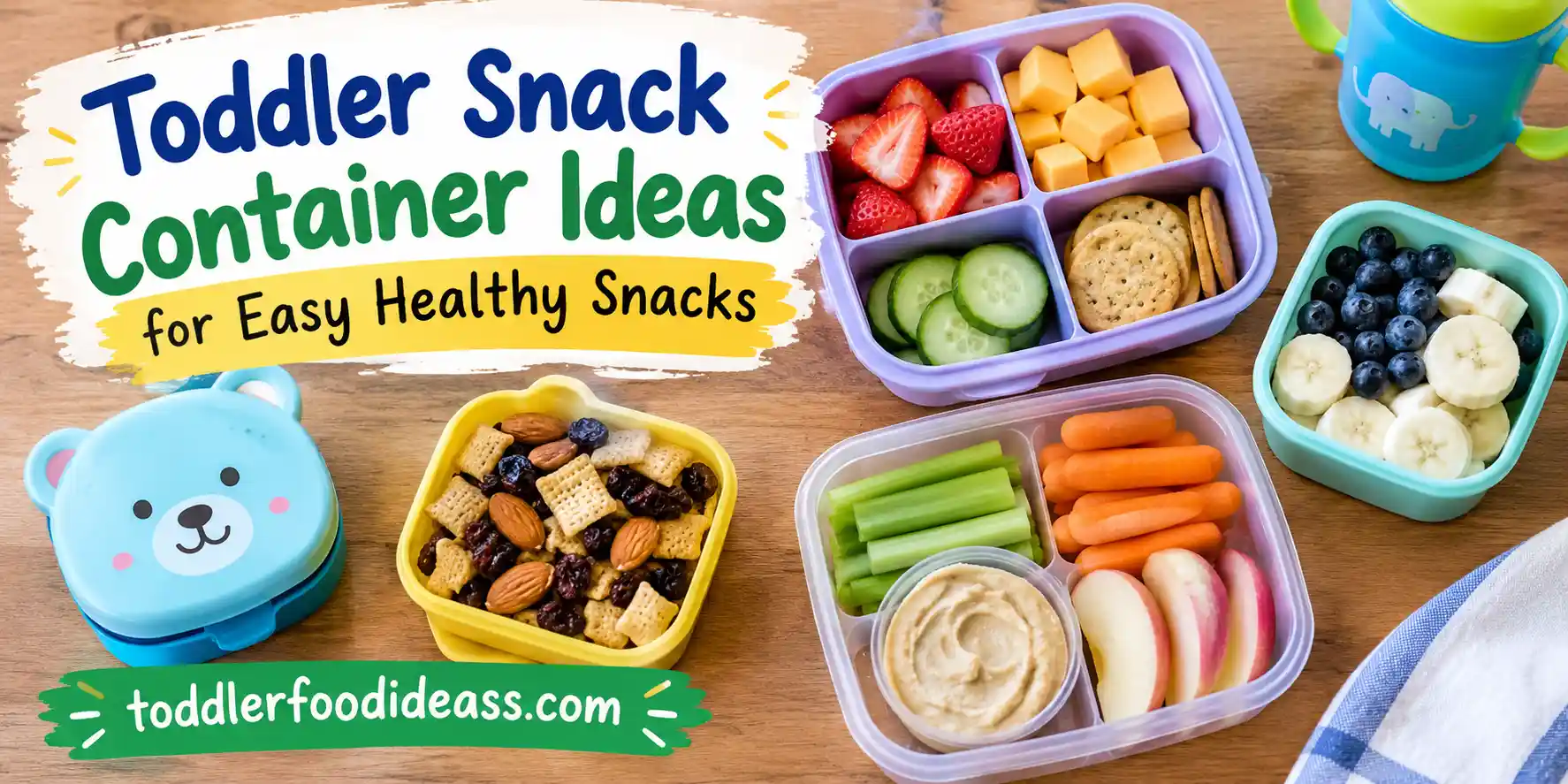
Toddler snack time can be much easier when you have a simple container ready to go. The best toddler snack container ideas combine foods your child enjoys with a mix of fruit, vegetables, grains, and protein. If you are also looking for Toddler Breakfast Ideas Picky Eater: 20 Easy Meals simple and familiar foods can make mealtimes less stressful for little ones. In this guide, you will find easy combinations, packing tips, food safety advice, and ideas for home, daycare, travel, and outings.
Why Toddler Snack Containers Are So Useful
Toddlers often get hungry between meals. Their small stomachs may make it difficult to stay satisfied from breakfast to lunch or lunch to dinner.
A snack container gives parents an easy way to prepare food before the busy part of the day begins. Instead of searching for food when your child is already hungry, you can simply open the container and serve it.
The container can also make snacks more interesting. Different colors, shapes, and textures can encourage toddlers to explore foods without making snack time complicated.
The American Academy of Pediatrics recommends offering toddlers a variety of healthy foods and building balanced snacks with foods such as fruits, vegetables, grains, and protein.
Think of a snack container like a small food puzzle. You do not need to fill every space with something different. A few simple foods can make a satisfying snack.
How to Build a Balanced Toddler Snack Container
A good snack container does not need to look fancy. The goal is to include foods that provide different nutrients and textures.
1. Add a Fruit
Fruit can add natural sweetness and color to a snack box.
Good choices include:
- Banana slices
- Soft pear pieces
- Thinly sliced apple
- Soft peach pieces
- Small pieces of melon
- Soft berries prepared safely
- Orange pieces with seeds and tough membranes removed
- Avocado slices
Choose fruit based on your child’s eating skills. Hard fruits may need to be cooked or softened.
2. Add a Vegetable
Vegetables can make the snack more filling and add variety.
Try:
- Soft-cooked carrots
- Steamed broccoli
- Soft peas
- Cooked sweet potato
- Soft zucchini
- Avocado
- Finely chopped cucumber
You can also combine vegetables with a familiar food. For example, serve soft cucumber pieces with cheese or cooked sweet potato with yogurt.
3. Add Protein
Protein can make a snack more satisfying.
Depending on your child’s age and eating skills, options may include:
- Plain yogurt
- Cottage cheese
- Egg
- Soft shredded chicken
- Hummus
- Beans
- Tofu
- Thinly spread nut or seed butter
Food texture matters. A food that is healthy for adults may still need to be modified for a young child.
4. Add a Grain or Starchy Food
A grain or starchy food can complete the snack.
Try:
- Soft whole-grain toast pieces
- Small pieces of pancake
- Soft pasta
- Oatmeal bites
- Low-sugar whole-grain cereal
- Soft pita pieces
- Whole-grain crackers suitable for your child’s age
The American Academy of Pediatrics suggests pairing foods such as fruit or vegetables with dairy, protein, or whole grains to create more balanced snacks.
15 Toddler Snack Container Ideas
Here are simple combinations you can rotate throughout the week.
1. Banana and Yogurt Box
Add sliced banana, plain yogurt, and a few pieces of soft whole-grain toast.
This works well for a morning or afternoon snack. If your container has separate sections, keep the yogurt away from dry foods.
2. Apple and Cheese Box
Pack thinly sliced or softened apple with small pieces of cheese.
For younger toddlers, make sure both foods are prepared in a safe size and texture.
3. Sweet Potato Snack Box
Try soft-cooked sweet potato cubes with plain yogurt and soft toast.
Sweet potato has a naturally sweet taste, which can make vegetables easier for some toddlers to accept.
4. Berry Yogurt Box
Use plain yogurt with properly prepared berries and a small amount of whole-grain cereal.
Always prepare berries according to your child’s developmental eating skills. Round foods can be a choking concern if served whole.
5. Avocado Toast Box
Pack small pieces of soft toast topped with mashed avocado.
You can add soft fruit on the side. This is especially useful when your toddler likes foods they can pick up independently.
6. Egg and Fruit Box
Add pieces of fully cooked egg with soft fruit.
Egg can be a convenient protein choice. Keep the pieces small and appropriate for your toddler’s chewing skills.
7. Hummus and Soft Vegetable Box
Serve a small amount of hummus with soft-cooked vegetables and soft pita pieces.
Avoid serving hard raw vegetables to toddlers unless they have been prepared in a way that matches their eating ability.
8. Pancake Snack Box
Cut homemade or low-sugar pancakes into small pieces. Add banana or soft pear.
This can be a useful way to turn leftover breakfast into a quick snack.
9. Pasta and Peas Box
Pack soft cooked pasta with soft peas and a little shredded cheese.
This option can work particularly well for toddlers who prefer familiar foods.
10. Oatmeal Bite Box
Make soft oatmeal bites and serve them with banana or another soft fruit.
Avoid making them hard or overly chewy. Toddler snacks should match the child’s ability to chew and swallow.
11. Cheese and Soft Fruit Box
Combine small pieces of cheese with soft pear, peach, or melon.
This is one of the easiest toddler snack container ideas because it needs little preparation.
12. Yogurt and Toast Box
Pack plain yogurt with soft toast strips.
For extra variety, add a small portion of fruit. Keep wet and dry foods separate when possible.
13. Chicken and Avocado Box
Use finely shredded, tender chicken with soft avocado and small pieces of bread.
Make sure the chicken is fully cooked and free from bones.
14. Cereal and Fruit Box
Choose a low-sugar cereal that is appropriate for your toddler. Add soft fruit pieces.
Check the label for added sugar and choose simple options when possible.
15. Toddler Snack Sampler
For a fun option, create three small sections:
- One fruit
- One protein or dairy food
- One grain or vegetable
For example, you could use banana, plain yogurt, and soft toast.
This approach is useful when your toddler likes having choices.
Toddler Snack Container Ideas for Picky Eaters
Picky eating is common during the toddler years. A snack container can help because it lets you offer familiar foods alongside foods your child is still learning to enjoy.
Instead of filling the container with only new foods, include one food your toddler usually accepts.
For example, if your child loves bananas but avoids vegetables, pack banana with soft-cooked carrot and toast.
Do not pressure your child to finish everything. Toddlers are still learning their preferences, and the American Academy of Pediatrics recommends patience when introducing foods.
You can also use small portions. A huge serving may look overwhelming to a toddler.
Another useful idea is to offer two simple choices. You could ask, “Do you want banana or pear?” This gives your child some control without turning snack time into a negotiation.
Toddler Snack Containers for Daycare
Daycare snacks need extra planning because food may sit in a bag for some time.
Before packing, check the daycare’s food rules. Some centers have allergy policies or restrictions on foods such as nuts.
Choose foods that travel well and are easy to serve.
Good options may include:
- Banana
- Soft fruit
- Plain yogurt in a chilled container
- Soft-cooked vegetables
- Cheese
- Whole-grain foods
- Homemade pancakes
- Soft pasta
- Cooked egg
Use an insulated lunch bag and a suitable cold pack for foods that need refrigeration.
Food safety is especially important when packing perishable foods. The FDA provides guidance on keeping foods at safe temperatures and handling food properly.
Toddler Snack Container Ideas for Travel
Travel snacks should be simple, less messy, and easy to portion.
For a short car trip, you might pack banana pieces, soft toast, cooked pasta, or another familiar snack.
For longer trips, plan ahead. Bring water, suitable utensils, wipes, and a way to keep perishable foods cold.
Avoid giving your toddler food while the vehicle is moving. The CDC recommends that young children sit upright and be supervised while eating because choking hazards can remain even when children are eating independently.
For flights, train rides, or outdoor trips, choose foods that are easy to handle and unlikely to create a large mess.
How to Choose the Right Toddler Snack Container
The container itself can make snack time easier.
Look for:
- Leak-resistant sections
- Easy-open lids
- Rounded edges
- Food-safe materials
- Separate compartments
- A size your toddler can manage
- Simple cleaning
- A secure seal
You do not need the most expensive container. A simple food-safe box can work well if it is easy to clean and fits your needs.
For wet foods, separate compartments can prevent fruit juice or yogurt from making dry foods soggy.
If your toddler is learning to open containers independently, choose a lid that is easy enough for their hands but secure enough to prevent accidental spills.
Toddler Snack Container Safety Tips
Safety should always come before appearance.
The CDC warns that foods can become choking hazards because of their shape, size, hardness, or texture. Young children should sit upright while eating and should be watched closely.
Prepare Food for Your Toddler
Do not assume that a food is safe simply because it is healthy.
Grapes, berries, cherry tomatoes, hard vegetables, nuts, popcorn, large chunks of meat, and other foods may create choking risks if served incorrectly.
Prepare food according to your child’s developmental eating skills.
Cut, cook, mash, or soften foods when needed. The CDC recommends adapting food texture and size to the child’s ability to eat safely.
Avoid Whole Nuts and Other Hard Foods
Whole nuts can be difficult for young children to chew safely.
Similarly, avoid hard, sticky, or round foods that can block the airway. When in doubt, check guidance from your child’s healthcare professional.
Keep Added Sugar Low
Toddlers do not need snacks packed with added sugar.
The CDC recommends avoiding added sugars for children younger than 24 months. Simple foods such as fruit, plain yogurt, vegetables, and whole grains can be better everyday choices.
Watch Food Temperature and Storage
Do not leave perishable foods at room temperature for long periods.
Use appropriate cooling methods when taking yogurt, cheese, eggs, meat, or other perishable foods outside the home.
How to Prepare Toddler Snack Containers Faster
You do not need to prepare a completely new snack every day.
Try a simple weekly system.
On one day, wash and prepare fruits and vegetables that can safely be stored. Cook a batch of soft vegetables or another family-friendly food. Then combine these foods into different snack containers during the week.
For example:
Monday can be banana, yogurt, and toast.
Tuesday can be pear, cheese, and soft pasta.
Wednesday can be sweet potato, egg, and fruit.
Thursday can be avocado toast with soft fruit.
Friday can be pancake pieces with yogurt and banana.
The foods can stay similar while the combinations change.
This saves time and helps you avoid reaching for highly processed snacks when the day gets busy.
What to Put in a Toddler Snack Container Every Day
If you want a simple formula, remember:
Fruit or vegetable + protein or dairy + grain or starchy food.
For example:
Banana + plain yogurt + toast
or
Soft carrot + cheese + pancake
You do not have to follow this formula at every snack. The overall diet matters more than making every container perfect.
The American Academy of Pediatrics notes that balanced nutrition can be achieved across the day rather than requiring every individual snack to contain every food group.
The main goal is variety, safety, and foods your toddler can comfortably eat.
Conclusion
The best toddler snack container ideas are simple, flexible, and safe. Try combining a fruit or vegetable with a protein, dairy food, grain, or other filling option. Prepare foods according to your toddler’s eating skills, keep perishable foods properly chilled, and offer familiar foods alongside new choices. Start with a few combinations your child enjoys, then slowly add variety. Try one new snack container combination this week and see which foods your toddler enjoys most.
FAQ’s:Toddler Snack Container Ideas for Easy Healthy Snacks
What should I put in a toddler snack container
Try combining a fruit or vegetable with a protein, dairy food, grain, or starchy food. Examples include banana with yogurt and toast, or soft vegetables with cheese and crackers.
What are good toddler snack container ideas for daycare
Choose simple foods that travel well, such as soft fruit, yogurt, cheese, cooked vegetables, pancakes, soft pasta, or cooked egg. Always follow the daycare’s allergy and food-storage rules.
How do I make a healthy snack box for a picky toddler
Include at least one food your toddler already likes, then add one less-familiar food. Keep portions small and avoid forcing your child to eat something they reject.
Are toddler snack containers safe for travel
They can be, when used correctly. Keep perishable foods cold, choose easy-to-eat foods, and make sure your toddler sits upright and is supervised while eating.